Preliminarna analiza predloženih izmena izbornih zakona, februar 2026
Reformska agenda predviđa izmene pet ključnih zakona do kraja 2025. godine u oblasti izbornog zakonodavstva, ali je zakonodavna procedura pokrenuta samo za tri: Zakon o izboru narodnih poslanika, Zakon o lokalnim izborima i Zakon o Ustavnom sudu, dok su Zakon o sprečavanju korupcije i Zakon o finansiranju političkih aktivnosti u potpunosti izostavl
10.03.2026.
11 MINUTA ČITANJA
U ovom članku
Ovaj članak u jednom minutu
I u okviru tri zakona koji su obuhvaćeni izmenama, ključne odredbe koje se odnose na sprečavanje izbornih zloupotreba i izbornog inženjeringa ostale su netaknute. Predviđeno je da se izmenama zakona ispune preporuke ODIHR i Saveta Evrope, međutim predložene izmene veoma selektivno uzimaju u obzir preporuke, isključivo adresirajući kozmetičke izmene, adresirajući samo jednu od ODIHR prioritetnih preporuka i izbegavajući preporuke koje zadiru u suštinu.
Ukidanje ograničenja „jedan birač – jedna izjava podrške“ predstavlja rešenje koje je u načelu pozitivno, ali u kontekstu Srbije, zbog dugogodišnjih i dokumentovanih zloupotreba u vezi sa izjavama podrške u podršci fantomskim izbornim listama u prethodnim izbornim ciklusima, u ovom trenutku nosi ozbiljan rizik od daljeg izbornog inženjeringa.
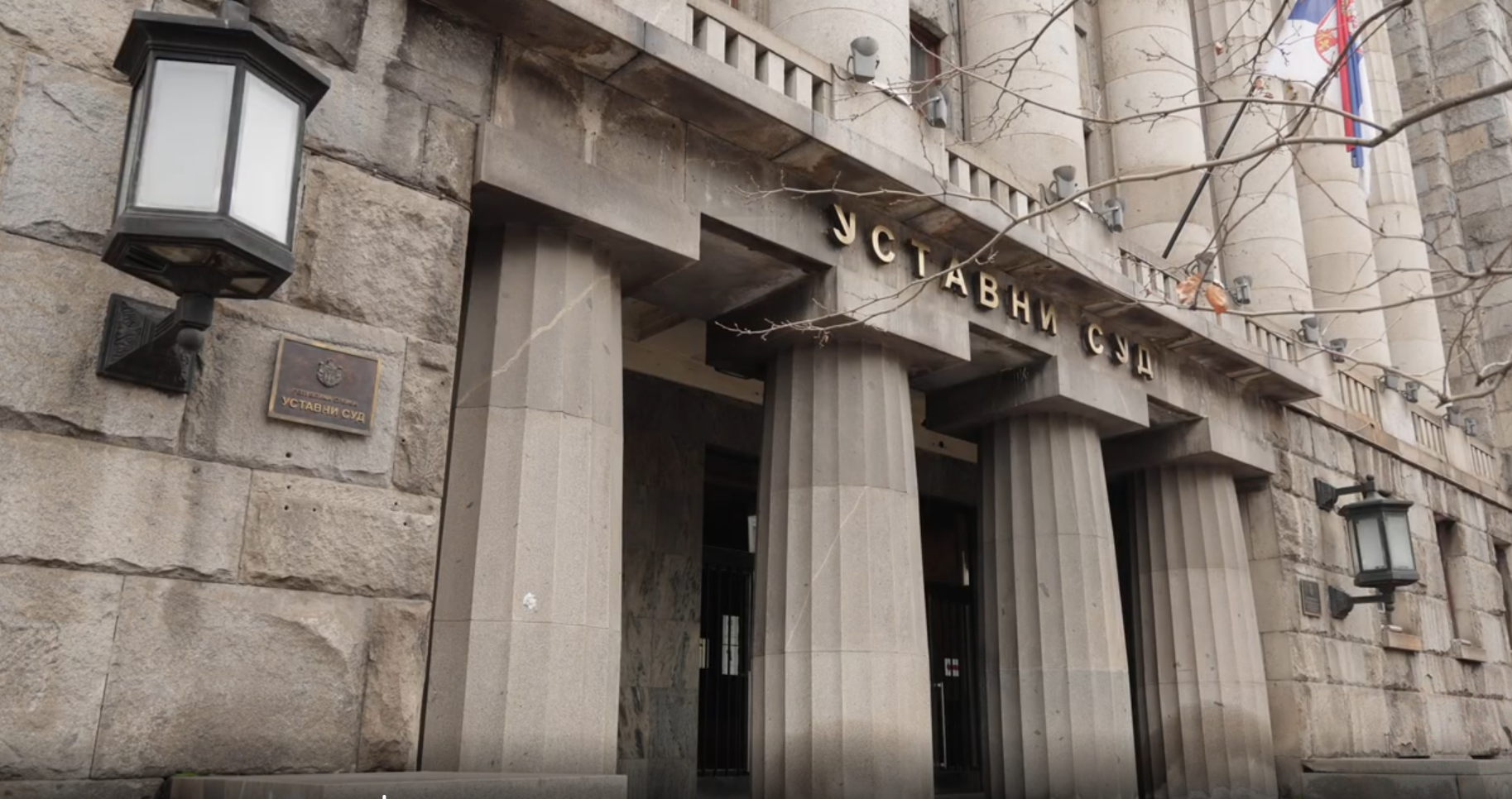
Uvođenje hitnosti postupka pred Ustavnim sudom u izbornim sporovima predstavlja normativno dobro rešenje, ali njegova praktična delotvornost ostaje upitna imajući u vidu dosadašnju neefikasnost i bliskost Ustavnog suda sa vlastima u Srbiji.
Pregled predloženih izmena
Narodna skupština je 2. februara 2026. godine predložila izmene izbornih zakone (Zakona o izboru narodnih poslanika, Zakona o lokalnim izborima i Zakona o Ustavnom sudu). Predložene izmene odnose se na sledeća pitanja:
Ukidanje ograničenja - jedan birač jedna izjava podrške za izbornu listu; (Odnosi se na ODIHR preporuku br. 11) ODIHR Recommendation No. 11: “As previously recommended, in order to further promote pluralism in the electoral process and freedom of association, removing the restriction on providing signatures of support for more than one electoral list could be considered.” Ukinuto je ograničenje prema kom je do sada jedan birač mogao da potpiše izjavu podrške samo za jednu izbornu listu.
Uvođenje obaveznih obuka za članove biračkih odbora i lokalnih izbornih komisija; (Odnosi se na ODIHR prioritetnu preporuku br. 2) ODIHR Recommendation No. 2: “As previously recommended, in order to ensure the consistent application of election-day procedures and to enhance the professional capacity of the election administration, standardized mandatory training could be considered for all members of local electoral commissions and polling boards, as well as for potential members, including those serving in the extended composition of these bodies.” Uvode se obavezne obuke za članove biračkih odbora i lokalnih izbornih komisija (kao i za njihove sekretare), potvrda o obuci važi tri godine i formira se posebna evidencija o imaocima potvrda koju vodi RIK
Položaj izbornih lista nacionalnih manjina; (Odnosi se na ODIHR preporuku br. 20) ODIHR Recommendation No. 20: “In order to prevent abuse of the special provisions for national minority lists, further clarification of the legal criteria for determining national minority status and of the procedures for submitting and proclaiming such lists should be considered.” Pooštravaju se kriterijumi za sticanje statusa izborne liste nacionalne manjine, posebno u delu koji se odnosi na naziv izborne liste, ali i u odnosu na sastav izborne liste (većina kandidata na listi mora biti upisano u posebni birački spisak za nacionalne manjine).
Hitnost postupka pred Ustavnim sudom; (Relates to ODIHR Recommendation No. 24) ODIHR Recommendation No. 24: “The law should prescribe a reasonably short deadline for the Constitutional Court to resolve electoral complaints and allow a longer period for the повторљање (repetition) of voting.” Uvodi se rok od osam dana u kom organ za sprovođenje izbora mora da dostavi neophodna akta Ustavnom sudu. Takođe, rok za ponavljanje celog izbornog postupka ili njegovog dela je povećan sa deset na 30 dana.
Ukidanje osnova za automatsko odbijanje izbornih lista (bez mogućnosti podnosiocima izborne liste da izvrše dopunu); (Odnosi se na ODIHR preporuku br. 24) ODIHR Recommendation No. 12: “Amending the law could be considered so as to allow election participants to remedy any identified shortcomings in the documents by which they nominate candidates, after the Republic Electoral Commission publishes its decision on those lists.” U slučaju postojanja osnova za automatsko odbijanje liste, kako je bilo do sada, novim izmenama propisan je rok od 48 časova za dopunu takvih nedostataka.
Definisanje organa kome se podnosi žalba u izbornom postupku; (Ne postoji ODIHR preporuka koja se odnosi na ovo pitanje) Precizirano je da se žalba podnosi izbornoj komisiji.
Preciziranje rokova u kojima se može osporavati rešenje kojim se odlučuje o izbornoj listi (lokalni izbori). (Ne postoji ODIHR preporuka koja se odnosi na ovo pitanje) Precizirano je da je rok za pobijanje rešenja kojim se odlučuje o statusu izborne liste 48 časova.
Iako su predložene izmene usmerene na ispunjavanje pojedinih preporuka ODIHR-a (br. 2, 11, 12, 20 i 24) i neke od njih su delimično ili u potpunosti usklađene sa preporukama Crte, one su pretežno tehničke, odnosno „kozmetičke“ prirode.
Predložene izmene ne zadiru u ključne i strukturne probleme izbornog procesa u Srbiji, na koje Crta kontinuirano ukazuje na osnovu nalaza iz svojih posmatračkih misija sprovođenih na svim nivoima izbora. Ti nalazi ukazuju, između ostalog, na postojanje fantomskih izbornih lista, falsifikovanje potpisa birača, nedovoljnu stručnost izborne administracije, kao i neefikasnu zaštitu izbornog prava.
Predlozi koji su u suprotnosti sa Crtinim preporukama:
Ukidanje ograničenja “jedan birač - jedna izjava podrške za izbornu listu”
PREDLOŽENO REŠENJE:
Predloženim rešenjem adresira se preporuka br. 11 ODIHR-a i propisuje se da birač može dati izjavu podrške većem broju izbornih lista.
CRTINA PREPORUКA:
Crta predlaže brisanje predložene izmene zakona.
OBRAZLOŽENJE CRTINE PREPORUKE:
Ovakva izmena zakona, iako se formalno poziva na ODIHR preporuke, u praksi stvara institucionalni okvir za izborni inženjering. Njome se omogućava proglašenje velikog broja faktički fiktivnih izbornih lista, koje ne doprinose političkom pluralizmu, već služe isključivo tome da jedna politička stranka obezbedi većinu u izbornim komisijama i drugim telima izborne administracije radi preglasavanja prilikom donošenja odluka. Na taj način se na izborni proces utiče kroz instrumentalizaciju i umnožavanje izbornih lista, pri čemu se odlučujuća kontrola nad izbornom administracijom ostvaruje tehničkom operacijom prikupljanja potpisa podrške birača. Ovakvo rešenje je posebno zabrinjavajuće imajući u vidu ranije utvrđene i dokumentovane nepravilnosti u izbornim procesima, uključujući sistemsku zloupotrebu i falsifikovanje izjava podrške birača radi sticanja većine u izbornim komisijama. Primera radi, Crta je zabeležila da je kod sedam proglašenih izbornih lista na beogradskim izborima 2023. godine postojala osnovana sumnja na falsifikovanje potpisa birača.
Te liste se ne kandiduju radi stvarnog političkog učešća, već prvenstveno radi obezbeđivanja većina u izbornim komisijama i biračkim odborima, kao i radi zbunjivanja birača imenima izbornih lista koje oponašaju imena stvarnih (uglavnom opozicionih) političkih aktera, i stvaranja privida političkog pluralizma. Uprkos dugogodišnjem postojanju ovih pojava, nijedan od odgovornih aktera do danas nije snosio odgovornost.
Prema tome, da bi ovakvo rešenje imalo samo pozitivne efekte (jačanje pluralizma i slobode udruživanja), a ne i negativne, potrebno je sprovesti reformu izborne administracije, pre svega u pogledu načina predlaganja članova i zamenika članova u proširenom sastavu izbornih komisija. Budući da takva reforma sada nije predložena, smatramo da nije ni trenutak za uvođenje ovakvog rešenja u naše zakonodavstvo.
Ostale Crtine preporuke koje se tiču izjava podrške birača:
Propisati da se izjave podrške birača mogu overavati samo kod javnih beležnika, izuzetno u opštinama u kojima nema imenovanih javnih beležnika, omogućiti overavanje u osnovnim sudovima, odnosno opštinskim upravama.
Omogućiti biračima da na brz i efikasan način provere da li su i kojoj su izbornoj listi potpisali izjavu podrške.
Predvideti da se redosled izbornih lista na glasačkom listiću određuje žrebom po ugledu na rešenje koje je propisano Zakonom o izboru predsednika Republike.
Predlozi koji su delimično usaglašeni sa Crtinim preporukama:
Obuke za članove LIК i BO
PREDLOŽENO REŠENJE:
Predloženim rešenjem se adresira preporuka br. 2 ODIHR-a i propisuje se nadležnost RIК-a za sprovođenje obuka i izdavanje potvrda koje važe tri godine. Dodatno, RIК je obavezan da vodi i evidenciju o licima koja imaju potvrdu o pohađanju obuke. Takođe, propisana je dužnost ovlašćenih predlagača da u LIК i BO predlaže isključivo lica koja imaju važeću potvrdu o završenoj obuci. Utvrđena je i obaveza LIК da pomaže RIК-u prilikom organizovanja i sprovođenja obuka.
CRTINA PREPORUКA:
Propisati da je ovlašćeni predlagač dužan da u LIК i BO predloži lice koje je prošlo obuku i položilo ispit za licencu za rad u izbornoj administraciji.
OBRAZLOŽENJE CRTINE PREPORUКE:
Predložene izmene zakona jesu korak unapred u profesionalizaciji srednjeg i najnižeg stepena izborne administracije, međutim predviđena rešenja nisu dovoljna. Naime, predložene izmene ne predviđaju obavezu polaganja ispita za licencu, već samo obavezu da se prođe obuka. Dodavanjem obaveze polaganja ispita za licencu (kako preporučuje Crta) osiguralo bi se suštinsko ostvarenje cilja ovakve izmene, a to je jačanje profesionalnog kapaciteta izborne administracije.
Ostale Crtine preporuke koje vode profesionalizaciji i značajnijoj ulozi izborne adminstracije:
Profesionalizovati sve nivoe izborne administracije.
Osnovati samostalnu stručnu službu Republičke izborne komisije.
Proširiti nadležnost izborne administracije u izbornom postupku.
Promeniti model izbora članova organa za sprovođenje izbora, kako u stalnom, tako i u proširenom sastavu.
Položaj izbornih lista nacionalnih manjina
PREDLOŽENO REŠENJE:
Predloženim rešenjem u određenoj meri se pooštravaju kriterijumi za sticanje statusa izborne liste nacionalne manjine. Posebno se to primećuje u novim rešenjima koja se tiču naziva izborne liste i njenog sastava (u pogledu obaveznog upisa većine kandidata na listi u posebni birački spisak za nacionalne manjine). Međutim, propisivanjem da se lista odbija u slučaju kada je (samo) prvi kandidat na listi prepoznatljiv kao član druge političke stranke koja nije stranka nacionalne manjine ublažen je ranije važeći kriterijum koji se odnosio na sve kandidate na listi. Navedeni predlozi adresiraju ODIHR preporuku br. 20.
CRTINE PREPORUKE:
Ukinuti odredbu koja propisuje kao uslov za sticanje statusa izborne liste nacionalne manjine obavezu da većina kandidata na izbornoj listi budu upisani u posebni birački spisak za nacionalne manjine.
Propisati da RIK odbija da dodeli status izborne liste nacionalne manjine (osim već propisanih osnova) i ukoliko je bilo koji kandidat na izbornoj listi u javnosti prepoznatljiv kao član političke stranke koja nije stranka nacionalne manjine, odnosno ukoliko je kao društveni aktivista prepoznatljiv po pitanjima koja nisu povezana sa nacionalnim manjinama, odnosno zaštitom i poboljšanjem njihovog položaja.
OBRAZLOŽENJE CRTINIH PREPORUKA:
Predložena rešenja u većoj meri adresiraju probleme koji su se pojavljivali u ovoj oblasti - izigravanje zakona, odnosno zloupotreba privilegovanih uslova za kandidovanje izbornih lista nacionalih manjina.
Uslov za sticanje statusa izborne liste nacionalne manjine prema kom većina kandidata na izbornoj listi mora da bude upisana u posebni birački spisak za nacionalne manjine zasnovan je na diskriminatornoj osnovi i u direktnoj je kolizicij s članom 5 Zakona o zaštiti prava i sloboda nacionalnih manjina. Pomenuti član Zakona propisuje da niko ne sme da trpi štetu zbog izražavanja svoje nacionalne pripadnosti ili zbog uzdržavanja od takvog činjenja.
Propisivanjem obaveze da RIK odbije da dodeli status izborne liste nacionalne manjine onoj izbornoj listi na kojoj je bilo koji kandidat prepoznatljiv u javnosti kao član političke stranke koja nije stranka nacionalne manjine, odnosno ukoliko je kao društveni aktivista prepoznatljiv po pitanjima koja nisu povezana sa nacionalnim manjinama, odnosno zaštitom i poboljšanjem njihovog položaja, postigao bi se u dobroj meri cilj koji se želi postići napred navedenom spornom odredbom, a bez diskriminacije pripadnika nacionalnih manjina (kako je iznad objašnjeno).
Ostale Crtine preporuke u odnosu na položaj izbornih lista nacionalnih manjina:
Propisati obavezu izbornoj komisiji da traži mišljenje nadležnog nacionalnog saveta nacionalne manjine o tome da li određena izborna lista može imati položaj izborne liste nacionalne manjine, koje ne bi bilo obavezujuće, ali bi omogućilo jednako postupanje prema svim izbornim listama i potencijalno sprečilo izigravanje zakona.
Hitnost postupka pred Ustavnim sudom
PREDLOŽENO REŠENJE:
Predloženim rešenjem utvrđuje se hitnost postupka (rok od 8 dana organu za sprovođenje izbora da dostavi neophodna akta i rok od 30 dana za ponavljanje celokupnog izbornog postupka ili njegovog dela) pred Ustavnim sudom u izbornim sporovima, čime se adresira preporuka br. 24 ODIHR-a.
CRTA
Stav Crte je da je reč o izmenama i dopuni zakona koje mogu imati pozitivne posledice, odnosno koje podstiču pravnu sigurnost i delotvornost ovog pravnog sredstva u izbornom procesu. Izmena je u saglasnosti sa preporukom koju je Crta dala nakon izbora održanih u decembru 2023. godine.
Ukidanje osnova za odbijanje izborne liste
PREDLOŽENO REŠENJE:
Predloženim rešenjem se faktički ukidaju osnovi za (automatsko) odbijanje izborne liste i daje se mogućnost podnosiocima izborne liste da i u tim slučajevima u roku od 48 časova dopune izbornu listu tj. otklone navedene nedostatke. Na ovaj način se adresira preporuka br. 12 ODIHR-a.
CRTINA PREPORUKA:
Crta je predložila ovakvo rešenje.
OBRAZLOŽENJE CRTINE PREPORUKE:
Stav Crte je da je reč o izmenama zakona koje mogu imati pozitivne posledice, odnosno koje podstiču pluralizam u izbornom procesu. Izmena je u saglasnosti sa preporukom koju je Crta dala nakon izbora održanih u decembru 2023. godine.
Predlozi koje Crta nije obuhvatila svojim preporuka ali smatra pozitivnim:
Organ kom se predaje žalba u izbornom postupku
PREDLOŽENO REŠENJE:
Ovim rešenjem se nedvosmisleno utvrđuje da se žalba podnosi izbornoj komisiji, budući da je oko toga bilo sporenja u prethodnim izbornim procesima. Ne postoji ODIHR preporuka koja se odnosi na ovo pitanje.
CRTA:
Crta pozdravlja ovakvo rešenje, budući da otklanja potencijalne probleme u tumačenju zakona.
Preciziranje rokova u kojima se može osporavati rešenje kojim se odlučuje o izbornoj listi (lokalni izbori)
PREDLOŽENO REŠENjE:
Predloženim rešenjem se jasno preciziraju rokovi u kojima se može osporavati rešenje kojim se odlučuje o izbornoj listi. Iako se u ovom delu do sada shodno primenjivao ZINP, sada su ta rešenja iz ZINP-a faktički prepisana, naravno uz potrebna usklađivanja sa terminologijom ZLI. Ne postoji ODIHR preporuka koja se odnosi na ovo pitanje.
CRTA:
Crta pozdravlja ovakvo rešenje, budući da otklanja potencijalnu tačku sporenja, mada je već Viši sud u Beogradu zauzeo stav povodom ovog pitanja.