It has been confirmed that, although the authorities declaratively advocate the implementation of ODIHR recommendations, in practice they create conditions that do not allow for the free expression of voters’ will.
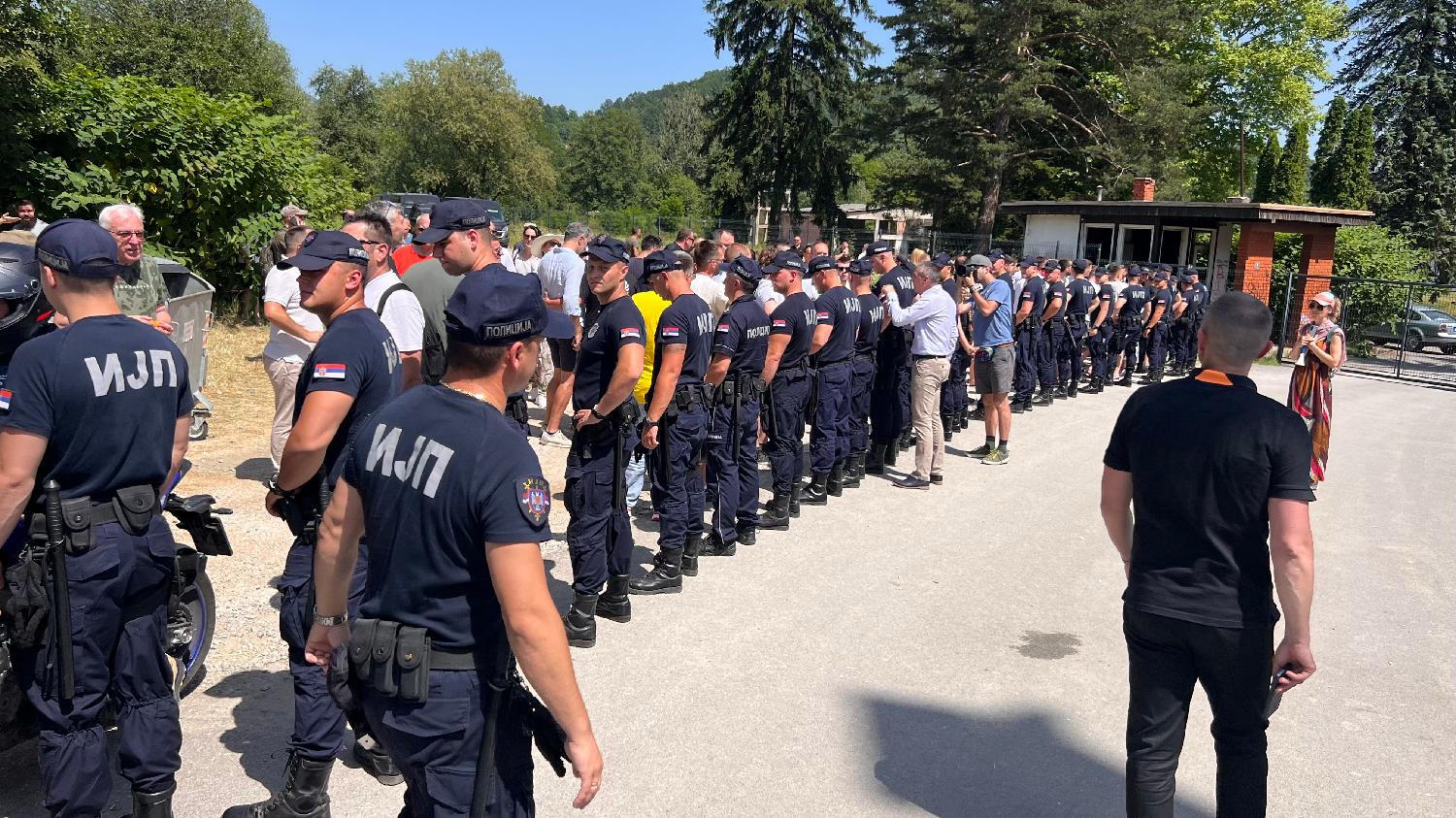
The pre-election campaign in the two local communities was marked by systematically conducted institutional pressure, as well as media and physical violence that led to a voting day filled with fear and anxiety among citizens.
Election day in Kosjerić was marked by an atmosphere on the brink of violence, while in Zaječar the results do not reflect the will of the citizens, since serious irregularities were recorded at as many as 19 percent of polling stations. Voter turnout was record high in both communities: in Kosjerić 84.2 percent of registered voters went to the polls, while in Zaječar turnout reached 63.6 percent.
These were the first elections held in the context of a level of social mobilization that can be described as historic, following the collapse of the canopy in Novi Sad and the death of 16 citizens, which triggered student and civic protests that have continued for more than eight months.
The protests led to more effective organization of citizens within local communities and the emergence of a stronger electoral challenge. As a result, the authorities, both national and local, resorted to intensified mobilization and the use of state and public resources, as well as other methods of electoral manipulation.