

Introduction
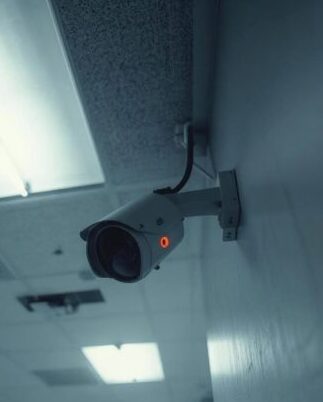
The Draft Law on Amendments to the Law on the Election of Members of Parliament, dated 10 November 2025 and submitted to the legislative procedure by the parliamentary group “Mi – Snaga naroda” led by Prof. Dr. Branimir Nestorović, provides fot the introduction of a technical system for video surveillance at polling stations on election day. The proposed system would enable monitoring and recording of the voting process, vote counting, and the signing of polling board records, with the aim of ensuring the transparency and integrity of the electoral process, in a manner that does not compromise the secrecy of the vote or the protection of personal data. The introduction of the system and oversight of its use are placed under the authority of the Republic Electoral Commission.
However, this proposal requires a critical assessment in the context of fundamental democratic principles and international standards that guarantee the freedom and secrecy of the vote. The introduction of a technical video surveillance system, as a new measure in the electoral process, must also be evaluated in comparison with existing legal mechanisms that ensure the transparency and integrity of the electoral process.
Practical experience from other countries shows that the use of video surveillance at polling stations often leads to technical challenges and a decline in voter trust in the electoral process, while its effects on increasing transparency remain limited.
Finally, it is necessary to conduct a thorough analysis of the proposed legal solution in order to assess its practical applicability and its compliance with both international and national standards.
However, this proposal requires a critical assessment in the context of fundamental democratic principles and international standards that guarantee the freedom and secrecy of the vote. The introduction of a technical video surveillance system, as a new measure in the electoral process, must also be evaluated in comparison with existing legal mechanisms that ensure the transparency and integrity of the electoral process.
Practical experience from other countries shows that the use of video surveillance at polling stations often leads to technical challenges and a decline in voter trust in the electoral process, while its effects on increasing transparency remain limited.
Finally, it is necessary to conduct a thorough analysis of the proposed legal solution in order to assess its practical applicability and its compliance with both international and national standards.
Relevant international standards
Article 52 of the Constitution of the Republic of Serbia provides that electoral rights are universal and equal, that elections are free and direct, and that voting is secret and personal. Thus, the highest legal act of the Republic of Serbia specifically emphasizes that elections are free—undoubtedly implying the freedom of voting - while at the same time explicitly establishing the guarantee of ballot secrecy as a key feature of electoral rights.
The same guarantees are provided by the European Convention on Human Rights, which stipulates that the High Contracting Parties are obliged to hold free elections at reasonable intervals by secret ballot, while the secrecy of the vote is also protected by the International Covenant on Civil and Political Rights.
OSCE Copenhagen Document on the Human Dimension obliges participating States to hold free elections “at reasonable intervals, by secret ballot or by an equivalent free voting procedure,” under conditions that, in practice, ensure the “free expression of the will of the voters” in the selection of their representatives. This standard implies that guarantees of free elections must exist not only at the normative level, but also in a functional sense - that is, the mechanisms introduced into electoral practice must be both applicable and effective.
Freedom of voting primarily implies that participation in elections is not mandatory, but rather that each voter is free to decide whether to vote. Such an understanding of voting freedom stems from Rousseau’s concept of popular sovereignty, according to which every citizen holds a share of that sovereignty. From this follows the theory of electoral rights as a subjective public right, rather than an obligation. In this sense, the relevant provision of the Code of Good Practice in Electoral Matters should also be read and interpreted, as it stipulates that abstention may be a matter of political choice and that lists of persons who have voted must not be made public.
Accordingly, every voter is free to abstain from voting, and this freedom would be undermined if lists of voters who have voted were to be published. In line with this, if video surveillance were introduced at polling stations and made accessible to the public in real time, it would violate the freedom of voters, as it would effectively amount to the indirect publication of “lists” of those who turned out to vote.
Freedom of voting also implies that a voter is free to decide, of their own will, whom to vote for—that is, to vote according to their conscience. This second element of voting freedom is primarily protected through the guarantee of ballot secrecy. The secrecy of the vote is ensured by prescribing rules governing the voting process, which must be such as to guarantee that no one can see how a voter marks their ballot.
Moreover, the freedom and secrecy of voting can only be ensured if voters are protected from any form of pressure or coercion aimed at forcing them to vote for a particular list or to disclose how they voted. It is precisely at this point that video surveillance at polling stations may have serious negative consequences.
Namely, those exerting pressure on voters would find it easier to determine who has turned out to vote, and could more easily identify those who did not support a particular option, or pressure such voters to reveal how they voted. On the other hand, the mere presence of cameras at polling stations may create the impression among voters that they are being observed while voting, making them more susceptible to pressure to vote for a specific option. Moreover, this could further facilitate coercion, as those exerting pressure may convince voters that, at any moment, they can see through the cameras how a voter has cast their ballot.
This is also confirmed by the interpretation of the UN in the Handbook on International Human Rights Standards on Elections, according to which states are obliged, in line with the Universal Declaration of Human Rights and the International Covenant on Civil and Political Rights, to protect voters from any pressure to disclose how they intend to vote or how they have voted, as well as from “any unlawful or arbitrary interference in the electoral process.” It is emphasized that the secrecy of the vote must be preserved at all stages of the process, from the act of voting itself to the determination of the results.
In the joint opinion of ODIHR, the Council of Europe, and the Venice Commission on the Election Code of Georgia from 2010, it is explicitly stated that the provision allowing “video surveillance and recording to be used to prevent and respond to violations in the electoral process” is problematic and should be removed in its entirety. It is emphasized that the use of recording devices at polling stations, even if it does not directly violate the secrecy of the vote, may create such an impression and intimidate certain voters. It is further noted that such a provision may have a chilling effect on electoral rights, potentially leading to intimidation, fear, and coercion. The Opinion concludes that, “given the existing provisions on election observation and efforts to ensure the transparency of the electoral process,” the intention behind such a solution “cannot be justified.”
At the same time, the OSCE’s Guidelines for Reviewing a Legal Framework for Elections clearly state that “no member of a polling station commission nor any other person should be allowed to see the completed ballot,” and that secret voting constitutes an “absolute obligation” of the bodies administering elections. The content of the ballot must be protected at all stages of the process, except during the determination of results, when completed ballots are counted in accordance with the prescribed procedure.
The introduction of cameras at polling stations constitutes the introduction of new technologies into the electoral process and, accordingly, requires adherence to existing standards in this field. Such standards are set out in the Interpretative Declaration of the Code of Good Practice in Electoral Matters with regard to digital technologies and artificial intelligence. This document, among other things, emphasizes that a prerequisite for the adoption and use of any technology is the establishment of appropriate safeguards, particularly to ensure its secure, reliable, and transparent use.
The ODIHR Handbook from 2006 presents special voting procedures (such as the use of mobile ballot boxes, postal voting, voting in hospitals and prisons, and others). As noted in the Handbook, such special procedures carry increased risks of abuse, particularly with regard to violations of ballot secrecy. This standard also implies that, with respect to all new measures and mechanisms (including technical and digital ones) that deviate from the standard voting process and are, by their nature, capable of compromising ballot secrecy, stricter legal requirements should be established to protect voters’ rights and freedoms. Given that the technical nature of video surveillance at polling stations entails a risk to the secrecy of the vote, it can be concluded that additional safeguards must be provided by law and be effectively applicable in practice; in the absence of such mechanisms, the regulation and use of this system should be avoided.
It follows that the use of cameras at polling stations may create a sense of pressure on voters and undermine the secrecy of the vote.
The same guarantees are provided by the European Convention on Human Rights, which stipulates that the High Contracting Parties are obliged to hold free elections at reasonable intervals by secret ballot, while the secrecy of the vote is also protected by the International Covenant on Civil and Political Rights.
OSCE Copenhagen Document on the Human Dimension obliges participating States to hold free elections “at reasonable intervals, by secret ballot or by an equivalent free voting procedure,” under conditions that, in practice, ensure the “free expression of the will of the voters” in the selection of their representatives. This standard implies that guarantees of free elections must exist not only at the normative level, but also in a functional sense - that is, the mechanisms introduced into electoral practice must be both applicable and effective.
Freedom of voting primarily implies that participation in elections is not mandatory, but rather that each voter is free to decide whether to vote. Such an understanding of voting freedom stems from Rousseau’s concept of popular sovereignty, according to which every citizen holds a share of that sovereignty. From this follows the theory of electoral rights as a subjective public right, rather than an obligation. In this sense, the relevant provision of the Code of Good Practice in Electoral Matters should also be read and interpreted, as it stipulates that abstention may be a matter of political choice and that lists of persons who have voted must not be made public.
Accordingly, every voter is free to abstain from voting, and this freedom would be undermined if lists of voters who have voted were to be published. In line with this, if video surveillance were introduced at polling stations and made accessible to the public in real time, it would violate the freedom of voters, as it would effectively amount to the indirect publication of “lists” of those who turned out to vote.
Accordingly, every voter is free to abstain from voting, and this freedom would be undermined if lists of voters who have voted were to be made public.
Freedom of voting also implies that a voter is free to decide, of their own will, whom to vote for—that is, to vote according to their conscience. This second element of voting freedom is primarily protected through the guarantee of ballot secrecy. The secrecy of the vote is ensured by prescribing rules governing the voting process, which must be such as to guarantee that no one can see how a voter marks their ballot.
Moreover, the freedom and secrecy of voting can only be ensured if voters are protected from any form of pressure or coercion aimed at forcing them to vote for a particular list or to disclose how they voted. It is precisely at this point that video surveillance at polling stations may have serious negative consequences.
Namely, those exerting pressure on voters would find it easier to determine who has turned out to vote, and could more easily identify those who did not support a particular option, or pressure such voters to reveal how they voted. On the other hand, the mere presence of cameras at polling stations may create the impression among voters that they are being observed while voting, making them more susceptible to pressure to vote for a specific option. Moreover, this could further facilitate coercion, as those exerting pressure may convince voters that, at any moment, they can see through the cameras how a voter has cast their ballot.
This is also confirmed by the interpretation of the UN in the Handbook on International Human Rights Standards on Elections, according to which states are obliged, in line with the Universal Declaration of Human Rights and the International Covenant on Civil and Political Rights, to protect voters from any pressure to disclose how they intend to vote or how they have voted, as well as from “any unlawful or arbitrary interference in the electoral process.” It is emphasized that the secrecy of the vote must be preserved at all stages of the process, from the act of voting itself to the determination of the results.
In the joint opinion of ODIHR, the Council of Europe, and the Venice Commission on the Election Code of Georgia from 2010, it is explicitly stated that the provision allowing “video surveillance and recording to be used to prevent and respond to violations in the electoral process” is problematic and should be removed in its entirety. It is emphasized that the use of recording devices at polling stations, even if it does not directly violate the secrecy of the vote, may create such an impression and intimidate certain voters. It is further noted that such a provision may have a chilling effect on electoral rights, potentially leading to intimidation, fear, and coercion. The Opinion concludes that, “given the existing provisions on election observation and efforts to ensure the transparency of the electoral process,” the intention behind such a solution “cannot be justified.”
At the same time, the OSCE’s Guidelines for Reviewing a Legal Framework for Elections clearly state that “no member of a polling station commission nor any other person should be allowed to see the completed ballot,” and that secret voting constitutes an “absolute obligation” of the bodies administering elections. The content of the ballot must be protected at all stages of the process, except during the determination of results, when completed ballots are counted in accordance with the prescribed procedure.
The introduction of cameras at polling stations constitutes the introduction of new technologies into the electoral process and, accordingly, requires adherence to existing standards in this field. Such standards are set out in the Interpretative Declaration of the Code of Good Practice in Electoral Matters with regard to digital technologies and artificial intelligence. This document, among other things, emphasizes that a prerequisite for the adoption and use of any technology is the establishment of appropriate safeguards, particularly to ensure its secure, reliable, and transparent use.
The ODIHR Handbook from 2006 presents special voting procedures (such as the use of mobile ballot boxes, postal voting, voting in hospitals and prisons, and others). As noted in the Handbook, such special procedures carry increased risks of abuse, particularly with regard to violations of ballot secrecy. This standard also implies that, with respect to all new measures and mechanisms (including technical and digital ones) that deviate from the standard voting process and are, by their nature, capable of compromising ballot secrecy, stricter legal requirements should be established to protect voters’ rights and freedoms. Given that the technical nature of video surveillance at polling stations entails a risk to the secrecy of the vote, it can be concluded that additional safeguards must be provided by law and be effectively applicable in practice; in the absence of such mechanisms, the regulation and use of this system should be avoided.
It follows that the use of cameras at polling stations may create a sense of pressure on voters and undermine the secrecy of the vote.
“Video surveillance at polling stations cannot have a positive effect on the freedom of voting, as, as discussed above, it is contrary to supranational regulations and standards governing this area.”
Use of video surveillance at polling stations – examples of bad practice
Cameras at polling stations have been introduced in a limited number of countries, primarily in younger democracies that emerged following the dissolution of the USSR. The experiences of these states point to numerous practical shortcomings and risks in the implementation of video surveillance systems.
In the Council of Europe report on the Republic of Moldova from 2023, it is noted that video cameras at polling stations were operational in most of the polling stations visited, but some observers pointed out that cameras positioned toward ballot boxes had a wide view of the premises, potentially compromising the secrecy of the vote.
In the Council of Europe report on the Republic of Moldova from 2023, it is noted that video cameras at polling stations were operational in most of the polling stations visited, but some observers pointed out that cameras positioned toward ballot boxes had a wide view of the premises, potentially compromising the secrecy of the vote.
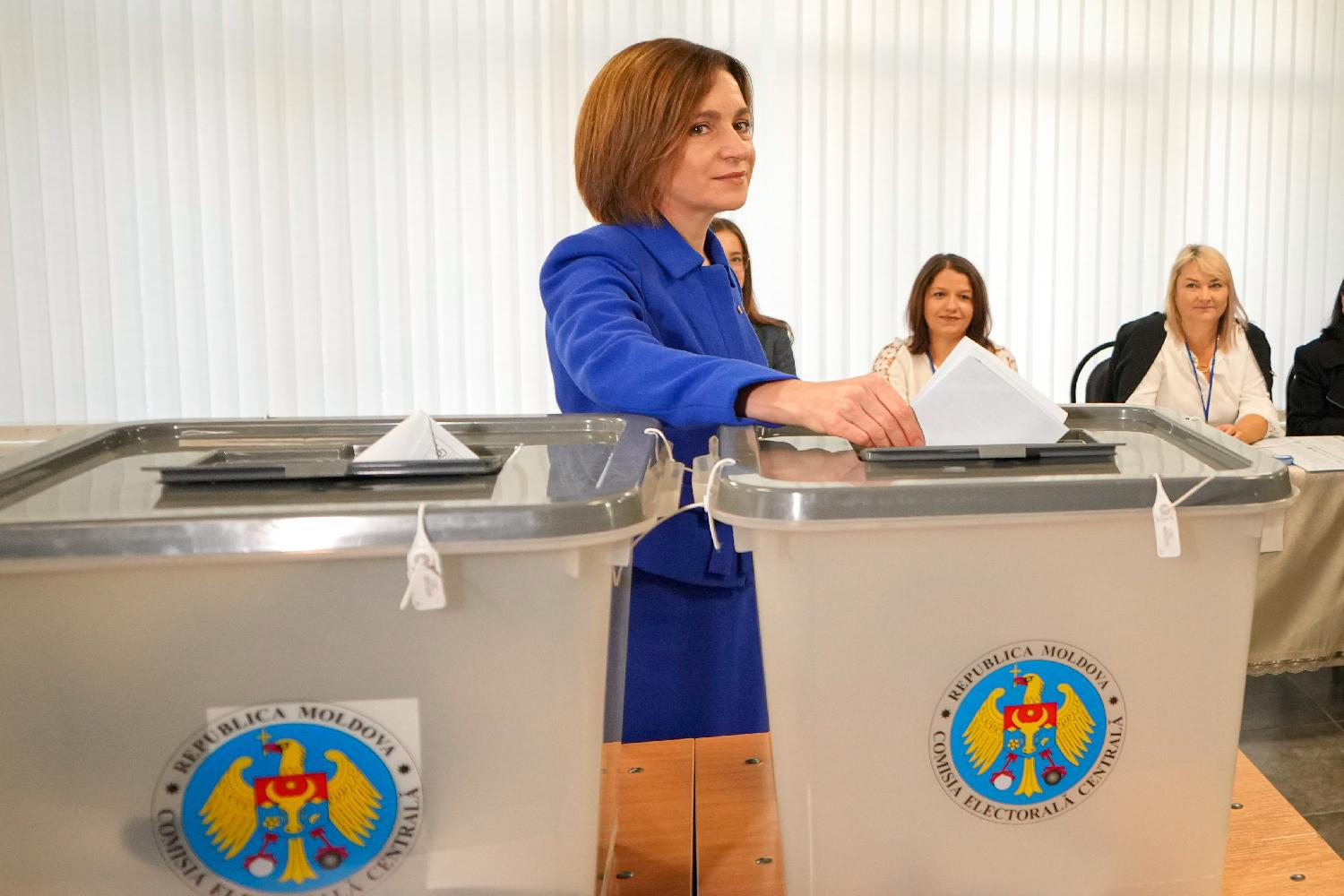

Foto: Fonet/AP. Maia Sandu, parlamentarni izbori u Moldaviji.
Furthermore, in relation to elections in Azerbaijan, the EPDE (European Platform for Democratic Elections) statement notes that cameras installed at 1,000 polling stations to further enhance transparency faced significant operational problems—observers reported widespread difficulties regarding access and reliability, as well as frequent system instability throughout the day. By the time vote counting began, only a small number of cameras remained operational, limiting the possibility of analyzing the recorded material.
Finally, ahead of the announced referendum, for which the use of video surveillance at polling stations was proposed, the Chair of the Central Election Commission of Armenia stated that it was impossible to equip all polling stations with surveillance cameras, as this would lead to serious technical problems. In particular, it would be very difficult to ensure adequate digital connectivity in remote settlements.
Taking into account all the technical and operational obstacles observed in electoral practice, the effectiveness and justification of video surveillance systems are called into question.
Finally, ahead of the announced referendum, for which the use of video surveillance at polling stations was proposed, the Chair of the Central Election Commission of Armenia stated that it was impossible to equip all polling stations with surveillance cameras, as this would lead to serious technical problems. In particular, it would be very difficult to ensure adequate digital connectivity in remote settlements.
Taking into account all the technical and operational obstacles observed in electoral practice, the effectiveness and justification of video surveillance systems are called into question.
Other mechanisms ensuring the transparency and integrity of the electoral process
International instruments and the laws of the Republic of Serbia recognize various mechanisms and tools aimed at improving electoral transparency, increasing voter confidence, and strengthening the integrity of elections. Such instruments include, among others, election observation missions and bans on recording at polling stations.
The institution of election observers is regulated by numerous international instruments. Among others, the OSCE Copenhagen Document on the Human Dimension specifically emphasizes that observers (whether from OSCE participating States or from relevant private institutions and organizations) contribute to the improvement of electoral processes, provided that they do not interfere in the process itself. International principles are based on the view that professional election observation is a key mechanism for ensuring public insight into the conduct of elections, particularly at polling stations.
In the Republic of Serbia, election observers are a legally recognized category, and their status and powers are precisely defined by the Law on the Election of Members of Parliament and the Law on Local Elections. The role of observation missions is reflected in the impartial monitoring of the entire electoral process, informing the public, and providing assessments of the (non-)democratic nature of elections. In this way, observation missions serve as a link between the general public and participants in the electoral process.
Existing legal mechanisms for election observation provide functional oversight and contribute to improving electoral transparency. By contrast, a system of video surveillance of voting would allow the entire public to assume the role of a kind of direct observer at polling stations, without any corresponding obligations toward voters or members of polling boards.
In addition, both domestic and international instruments recognize a ban on recording and photographing at polling stations. The Law on the Election of Members of Parliament and the Law on Local Elections prohibit recording, photographing, and collecting data on voters, as well as unauthorized recording and photographing of events at polling stations, all in line with supranational standards and with the aim of protecting voters’ rights and freedoms.
It should be noted that the European Court of Human Rights, in the case of Magyar Kétfarkú Kutya Párt v. Hungary, held that recording (photographing) at polling stations is not prohibited when it serves the exercise of voters’ freedom of expression. The Court noted that the legislation in nine states (Austria, Georgia, Germany, Lithuania, Moldova, North Macedonia, San Marino, Serbia, and Turkey) prohibits photography, cameras, and mobile phones within polling stations, and that the Austrian Constitutional Court found that the voluntary disclosure by voters of how they voted—particularly via social media—does not violate the principle of free suffrage. For this reason, it is necessary to distinguish between a situation in which a voter voluntarily reveals how they voted through the use of digital devices—without infringing the freedom of elections and the secrecy of the vote—and the systemic legal and practical introduction of video surveillance, which has the potential to cause such violations. The installation of cameras at polling stations (for the purpose of recording events) is therefore contradictory to existing prohibitions in domestic legislation, the effects of which have proven positive in practice.
The institution of election observers is regulated by numerous international instruments. Among others, the OSCE Copenhagen Document on the Human Dimension specifically emphasizes that observers (whether from OSCE participating States or from relevant private institutions and organizations) contribute to the improvement of electoral processes, provided that they do not interfere in the process itself. International principles are based on the view that professional election observation is a key mechanism for ensuring public insight into the conduct of elections, particularly at polling stations.
In the Republic of Serbia, election observers are a legally recognized category, and their status and powers are precisely defined by the Law on the Election of Members of Parliament and the Law on Local Elections. The role of observation missions is reflected in the impartial monitoring of the entire electoral process, informing the public, and providing assessments of the (non-)democratic nature of elections. In this way, observation missions serve as a link between the general public and participants in the electoral process.
Existing legal mechanisms for election observation provide functional oversight and contribute to improving electoral transparency. By contrast, a system of video surveillance of voting would allow the entire public to assume the role of a kind of direct observer at polling stations, without any corresponding obligations toward voters or members of polling boards.
In addition, both domestic and international instruments recognize a ban on recording and photographing at polling stations. The Law on the Election of Members of Parliament and the Law on Local Elections prohibit recording, photographing, and collecting data on voters, as well as unauthorized recording and photographing of events at polling stations, all in line with supranational standards and with the aim of protecting voters’ rights and freedoms.
It should be noted that the European Court of Human Rights, in the case of Magyar Kétfarkú Kutya Párt v. Hungary, held that recording (photographing) at polling stations is not prohibited when it serves the exercise of voters’ freedom of expression. The Court noted that the legislation in nine states (Austria, Georgia, Germany, Lithuania, Moldova, North Macedonia, San Marino, Serbia, and Turkey) prohibits photography, cameras, and mobile phones within polling stations, and that the Austrian Constitutional Court found that the voluntary disclosure by voters of how they voted—particularly via social media—does not violate the principle of free suffrage. For this reason, it is necessary to distinguish between a situation in which a voter voluntarily reveals how they voted through the use of digital devices—without infringing the freedom of elections and the secrecy of the vote—and the systemic legal and practical introduction of video surveillance, which has the potential to cause such violations. The installation of cameras at polling stations (for the purpose of recording events) is therefore contradictory to existing prohibitions in domestic legislation, the effects of which have proven positive in practice.
Analysis of the provisions of the Draft Law on Amendments to the Law on the Election of Members of Parliament
The following section analyzes the specific provisions of the Draft Law on Amendments to the Law on the Election of Members of Parliament (hereinafter: the Draft).
Article 1 of the Draft stipulates that the Republic Electoral Commission is required to provide a technical system for video surveillance at polling stations, enabling the monitoring and recording of the voting process, vote counting, and the signing of polling board records. Given that this provision supplements Article 42 of the Law on the Election of Members of Parliament, which regulates electoral materials delivered to polling boards—and considering that polling boards are responsible for handling such materials at polling stations—it effectively requires polling boards to install the video surveillance system. As key criticisms by both international and domestic observers regarding election administration concern the lack of training and insufficient expertise of polling boards, serious doubts arise as to whether polling boards would be capable of carrying out such installation at polling stations immediately before the start of voting, alongside all other tasks they are already required to perform. According to the Interpretative Declaration of the Code of Good Practice in Electoral Matters, the introduction of new technologies into the electoral process necessarily presupposes impartiality, independence, and professionalism of election management bodies—particularly where their use imposes additional tasks. Therefore, in a context of limited trust in election administration and demonstrated deficiencies in professionalism and expertise, this requirement also appears unmet.
Article 2 of the Draft introduces a new Article 52a, paragraph 1 of which provides that video surveillance equipment shall be installed at every polling station.
Paragraph 2 of the same Article stipulates that video transmission shall be conducted without sound, using a fixed camera angle, and that cameras must not capture the inside of voting booths or voter lists. While the aim of this provision—to prevent violations of ballot secrecy—is clear and justified, its practical implementation remains questionable. Specifically, it raises the question of who, aside from polling board members, is responsible for ensuring that cameras are properly installed. Would this responsibility lie with local election commissions for polling stations within their jurisdiction, or with the Republic Electoral Commission for all polling stations nationwide? If the latter, its capacity to carry out such checks must be questioned, as it would need to verify camera placement at more than 8,500 polling stations almost simultaneously. The same concern applies to local election commissions, which, although responsible for fewer polling stations, possess significantly more limited resources. If checks were conducted throughout the day rather than immediately after polling stations open, it is not difficult to imagine that improper camera placement could be detected later in the day, meaning that voters at those polling stations would have already experienced a direct violation of ballot secrecy. On the other hand, if polling boards were left to verify compliance themselves, the very purpose of introducing video surveillance—stemming from a lack of trust in polling boards—would be undermined.
Paragraph 3 of the new Article 52a introduces the possibility of public access to live video streams from polling stations. Such a solution opens the door to potential abuses already highlighted in previous sections. Moreover, it is entirely inconsistent with the aforementioned highest international instruments and standards in the field of elections and the protection of the freedom and secrecy of the vote. Additionally, it would render the role of election observers meaningless, as previously explained.
Article 5 of the Draft introduces a new Article 89a, which provides that the Republic Electoral Commission may, under an expedited procedure and with the consent of a majority of polling board members, allow voting to continue without video surveillance if it determines that a malfunction is minor and does not affect the regularity of voting. This provision creates broad potential for abuse, as it allows for voting to proceed without surveillance. Furthermore, if cameras are introduced to ensure the regularity of voting, it is questionable how the Republic Electoral Commission and a majority of polling board members—whose work is precisely the subject of mistrust—can determine that the absence of video surveillance does not affect electoral integrity. Therefore, this provision is contradictory to the very essence and purpose of the Draft.
Article 6 of the Draft amends Article 164 of the Law by adding a new paragraph 5, introducing a category of observers outside polling stations. These observers are granted the right to file complaints in accordance with Articles 115(4) and 116(4) of the Law. However, this provision appears to be without practical sense, as it grants this new category of observers the right to lodge complaints only in cases where voting at a polling station has been annulled—and specifically against the decision to annul the vote—rather than in other situations.
It is also important to emphasize that the Draft fails to meet even the basic requirements set out in the aforementioned Interpretative Declaration regarding the introduction of new digital technologies into electoral legislation, which presuppose broad consensus and a comprehensive public debate involving all relevant stakeholders.
In light of the above, it is clear that the analyzed Draft is not in line with domestic and international regulations and standards in the field of electoral law. The proposal is fundamentally flawed: it undermines the secrecy and freedom of the vote, diminishes and renders meaningless the role of observers and professional observation missions, and contains a number of provisions that are either insufficiently precise or internally contradictory. Furthermore, the Draft fails to take into account the actual conditions on the ground, particularly the capacities of election administration bodies at all three levels to implement such a solution in practice.
Article 1 of the Draft stipulates that the Republic Electoral Commission is required to provide a technical system for video surveillance at polling stations, enabling the monitoring and recording of the voting process, vote counting, and the signing of polling board records. Given that this provision supplements Article 42 of the Law on the Election of Members of Parliament, which regulates electoral materials delivered to polling boards—and considering that polling boards are responsible for handling such materials at polling stations—it effectively requires polling boards to install the video surveillance system. As key criticisms by both international and domestic observers regarding election administration concern the lack of training and insufficient expertise of polling boards, serious doubts arise as to whether polling boards would be capable of carrying out such installation at polling stations immediately before the start of voting, alongside all other tasks they are already required to perform. According to the Interpretative Declaration of the Code of Good Practice in Electoral Matters, the introduction of new technologies into the electoral process necessarily presupposes impartiality, independence, and professionalism of election management bodies—particularly where their use imposes additional tasks. Therefore, in a context of limited trust in election administration and demonstrated deficiencies in professionalism and expertise, this requirement also appears unmet.
Article 2 of the Draft introduces a new Article 52a, paragraph 1 of which provides that video surveillance equipment shall be installed at every polling station.
Such a solution would be very difficult to implement, as polling stations are not standardized and are often not even adequate for the “analog” conduct of voting, let alone suitable for “digitalization.”
Paragraph 2 of the same Article stipulates that video transmission shall be conducted without sound, using a fixed camera angle, and that cameras must not capture the inside of voting booths or voter lists. While the aim of this provision—to prevent violations of ballot secrecy—is clear and justified, its practical implementation remains questionable. Specifically, it raises the question of who, aside from polling board members, is responsible for ensuring that cameras are properly installed. Would this responsibility lie with local election commissions for polling stations within their jurisdiction, or with the Republic Electoral Commission for all polling stations nationwide? If the latter, its capacity to carry out such checks must be questioned, as it would need to verify camera placement at more than 8,500 polling stations almost simultaneously. The same concern applies to local election commissions, which, although responsible for fewer polling stations, possess significantly more limited resources. If checks were conducted throughout the day rather than immediately after polling stations open, it is not difficult to imagine that improper camera placement could be detected later in the day, meaning that voters at those polling stations would have already experienced a direct violation of ballot secrecy. On the other hand, if polling boards were left to verify compliance themselves, the very purpose of introducing video surveillance—stemming from a lack of trust in polling boards—would be undermined.
Paragraph 3 of the new Article 52a introduces the possibility of public access to live video streams from polling stations. Such a solution opens the door to potential abuses already highlighted in previous sections. Moreover, it is entirely inconsistent with the aforementioned highest international instruments and standards in the field of elections and the protection of the freedom and secrecy of the vote. Additionally, it would render the role of election observers meaningless, as previously explained.
Article 5 of the Draft introduces a new Article 89a, which provides that the Republic Electoral Commission may, under an expedited procedure and with the consent of a majority of polling board members, allow voting to continue without video surveillance if it determines that a malfunction is minor and does not affect the regularity of voting. This provision creates broad potential for abuse, as it allows for voting to proceed without surveillance. Furthermore, if cameras are introduced to ensure the regularity of voting, it is questionable how the Republic Electoral Commission and a majority of polling board members—whose work is precisely the subject of mistrust—can determine that the absence of video surveillance does not affect electoral integrity. Therefore, this provision is contradictory to the very essence and purpose of the Draft.
Article 6 of the Draft amends Article 164 of the Law by adding a new paragraph 5, introducing a category of observers outside polling stations. These observers are granted the right to file complaints in accordance with Articles 115(4) and 116(4) of the Law. However, this provision appears to be without practical sense, as it grants this new category of observers the right to lodge complaints only in cases where voting at a polling station has been annulled—and specifically against the decision to annul the vote—rather than in other situations.
It is also important to emphasize that the Draft fails to meet even the basic requirements set out in the aforementioned Interpretative Declaration regarding the introduction of new digital technologies into electoral legislation, which presuppose broad consensus and a comprehensive public debate involving all relevant stakeholders.
In light of the above, it is clear that the analyzed Draft is not in line with domestic and international regulations and standards in the field of electoral law. The proposal is fundamentally flawed: it undermines the secrecy and freedom of the vote, diminishes and renders meaningless the role of observers and professional observation missions, and contains a number of provisions that are either insufficiently precise or internally contradictory. Furthermore, the Draft fails to take into account the actual conditions on the ground, particularly the capacities of election administration bodies at all three levels to implement such a solution in practice.
General conclusion
The proposed introduction of a video surveillance system at polling stations constitutes a measure which, despite its declared aim of ensuring the transparency of the electoral process, carries serious risks for the freedom of voting and the secrecy of the ballot. Freedom of voting is a fundamental element of the democratic process and an individual human right, while ballot secrecy is the primary precondition for the free expression of electoral will.
International standards, legal guarantees, and comparative practice indicate that such a system may facilitate pressure on voters and intimidation, thereby undermining trust in the electoral process, while its practical benefits remain limited and disproportionate to the potential consequences. Furthermore, in the absence of safeguards that can be effectively implemented in practice, as well as the necessary material and organizational resources, the effectiveness and justification of such a system are called into question.
The proposal to introduce a video surveillance system at polling stations should therefore be rejected, primarily in order to protect the freedom and secrecy of the vote, but also due to the other significant shortcomings in its content outlined above.
International standards, legal guarantees, and comparative practice indicate that such a system may facilitate pressure on voters and intimidation, thereby undermining trust in the electoral process, while its practical benefits remain limited and disproportionate to the potential consequences. Furthermore, in the absence of safeguards that can be effectively implemented in practice, as well as the necessary material and organizational resources, the effectiveness and justification of such a system are called into question.
The proposal to introduce a video surveillance system at polling stations should therefore be rejected, primarily in order to protect the freedom and secrecy of the vote, but also due to the other significant shortcomings in its content outlined above.